Does Ngorongoro Crater Close in Rain?
Does Ngorongoro Crater close in rain? Usually no. Ngorongoro Crater does not normally close simply because it is raining, and the wider conservation area operates year-round. Rain can still lead to temporary restrictions if the descent road or individual tracks become unsafe, especially during the April to May long rains. Your operator should confirm conditions locally and may delay the descent, use alternative tracks, or change the day’s route.
Rain and safari are not opposites. The practical question is not whether it will rain, but what happens to the roads when it does. A good operator has a plan for wet weather, and the crater’s resident wildlife does not vanish in a shower. For most visitors, a rainy morning on the rim still becomes a rewarding day on the crater floor.
How Does Rain Affect the Crater Descent and Safari Tracks?
Rain affects the crater descent more than the crater floor itself. The road down the crater wall can become slippery, deeply rutted, or temporarily impassable after heavy rainfall. Tracks on the floor usually drain better and often stay usable even when the rim route is wet. Conditions change day by day, so current road information matters more than a long range forecast.
What does impassable mean? It is a local decision made that day. Rangers and drivers share road updates every morning, and your operator should check before you descend. A well-maintained 4×4 with a skilled driver matters, but so does an early start. After a storm, a late departure can meet softer ground or longer queues. Ask about the exact vehicle and about wet weather backup plans before you book.
If road access shapes where you sleep, our guide to where to stay on the Ngorongoro rim or in the crater area is a useful starting point. Rim lodges may stay reachable even when a lower descent route is closed for a few hours.
When Is the Ngorongoro Rainy Season?
Ngorongoro’s wetter period runs from November through May, but the two rainy seasons are not equally disruptive. November short rains usually arrive in brief showers. The heavier, longer rainfall comes from March through May, so Ngorongoro Crater in April and May brings the highest risk of muddy access.
June through October is typically drier, clearer, and easier for road travel. That does not make the dry months the only sensible choice. A wet season trip offers greener scenery, fewer vehicles, dramatic clouds, and stronger birdlife. The real trade off is between easier planning and quieter atmosphere.
Can You Still See Wildlife in Ngorongoro During Rain?
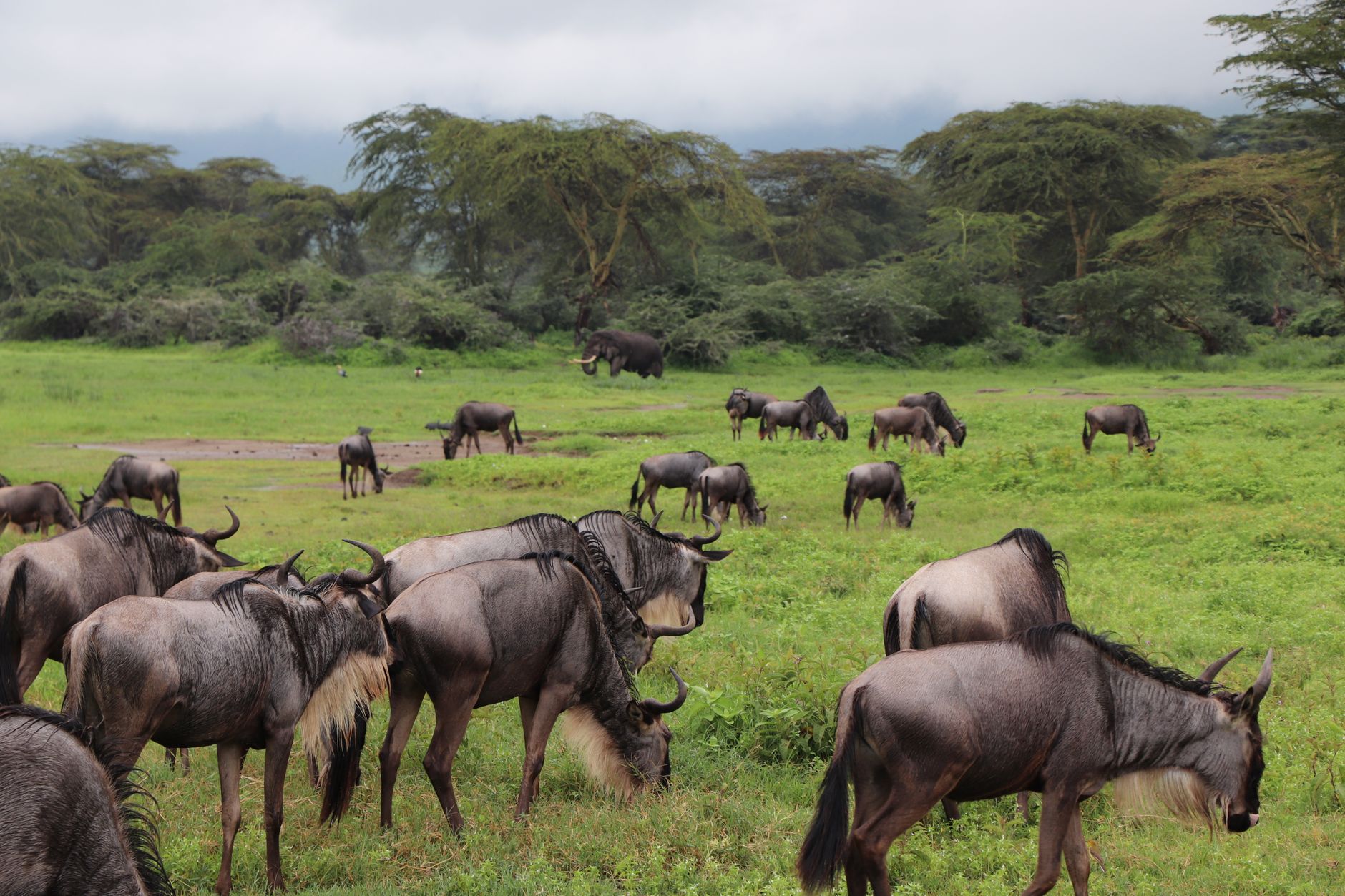
Yes, wildlife viewing can remain excellent during rain, although visibility and animal behavior change. Rain may push animals into more sheltered areas, make the grass greener and taller, and make predators harder to spot. Travelers can still be rewarded with fewer vehicles, migrant birds, lush views, and, around Ndutu, seasonal wildebeest calving activity.
The crater has resident populations of lions, buffalo, elephants, and black rhinos. These animals do not leave when the weather turns. Predators may rest more, but the floor stays alive. Wet light can be striking, and the rim mist adds a different kind of drama for photographers.
What Should You Pack for a Rainy Ngorongoro Safari?
Pack a waterproof jacket, warm layers, quick dry trousers, water resistant shoes, spare socks, and protection for cameras and phones. Ngorongoro’s rim is cool and often misty even when the crater floor is clearer, so do not pack only lightweight tropical clothing. Add a dry bag, small towel, and binoculars to the list.
A waterproof cover for your camera bag is not optional in April or May. Rain can arrive suddenly on the rim, and moisture finds every unsealed pocket. If you stay flexible about timing, a short shower usually passes and the animals resume their routine.
What If the Crater Roads Become Impassable?
If heavy rain makes a road unsafe, the operator may wait for conditions to improve, choose another approved track, postpone the crater descent, or substitute a nearby activity. Rim lodges and the wider Ngorongoro Conservation Area can remain accessible even when one crater route is difficult. Confirm the operator’s wet weather policy before paying for a fixed itinerary.
A flexible trip can shift between the crater, the Ndutu plains, the Serengeti, and the forest roads along the rim. A fixed package may not have that option, so ask early. For travelers who want extra comfort, planning a comfortable Ngorongoro safari with the right operator becomes even more important in wet conditions. Vehicle costs also shape how easily you can adjust, and our guide to Ngorongoro safari vehicle fees and access costs is a useful check before you compare quotes.
Is a Ngorongoro Safari in the Rain Worth It?
It can be, if you accept less predictable roads and value a quieter, greener crater. It is a harder choice if you want guaranteed wide open views and easy driving. The rain itself rarely ruins a safari, but a rigid week by week itinerary can turn one wet day into a stressful one.
Before you choose dates, ask what matters more: solitude or certainty? Does a misty rim feel romantic or disappointing to you? Those questions lead to better decisions than any single weather chart. When you are ready to compare itineraries, browse wet season packages through FindMySafari and see how different operators approach the same forecast.
More safari planning resources
- Best time to visit Kenya map from SafariPure
- Best time to visit Kenya from Trunktrails Safaris
- Best time to visit Kenya month-by-month map from Valley Safaris
- Compare Kenya safari packages on FindMySafari